


LGBTQ+ Representation in the Media - a summary
The negative stereotypes portrayed
We’re currently living in 2020. Some expected flying cars at this point, some expected equality, and yet we still haven’t even got 3-dimensional LGBTQ+ characters yet. Historically, the portrayals of LGBTQ+ communities in media have been negative, reflecting the cultural intolerance of LGBTQ+ individuals; however, from the 1990s to present day, there has been an increase in the depictions of LGBTQ+ people, issues, and concerns within mainstream media. Yet it’s still founded on stereotypes.
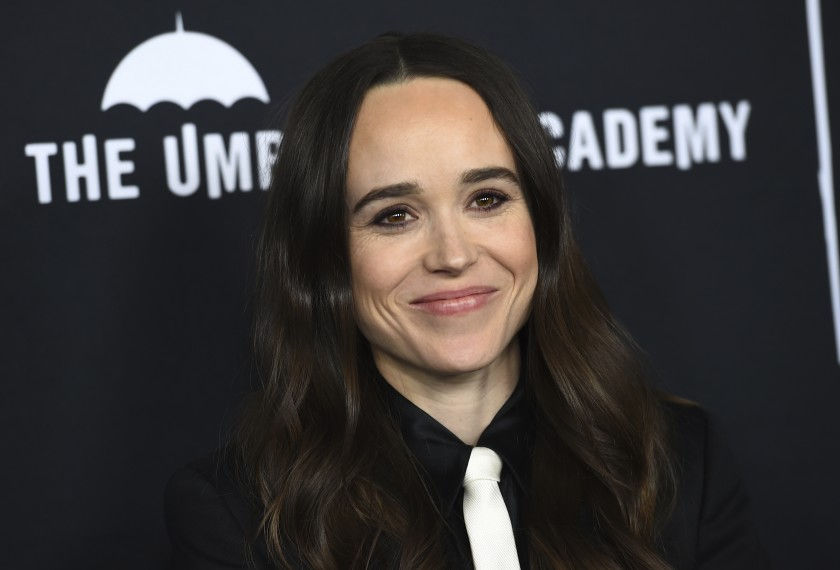
Elliot Page, Transgender Actor and Activist (Jordan Strauss / Invision/Associated Press)
Although LGBTQ+ individuals are generally indistinguishable from their straight or cisgender counterparts, media depictions often represent them as visibly and behaviorally different. For example, in many forms of popular entertainment, gay men are portrayed stereotypically as promiscuous, flashy, flamboyant, and bold, while the reverse is often true of how lesbians are portrayed. Media representations of bisexual and transgender people tend to either completely erase them, or depict them as morally corrupt or mentally unstable. Similar to race, religion, and class-based caricatures, these are stereotypical stock character representations that really negatively impact the views on these already marginalised groups.
“Bury your gays”
Members of the LGBTQ+ community tend to value and are quick to love LGBTQ+ characters, but many, however representative, are founded upon these negative stereotypes and further damage the community, rather than represent it. Also, unlike their heterosexual counterparts, LGBTQ+ characters are much less likely to have a happy ending. In U.S. television, gay or lesbian characters tend to die or meet another unhappy ending, such as becoming insane, far more often than other characters. Fans call this trope "bury your gays" or more specifically "dead lesbian syndrome".
According to Autostraddle, which examined 1,779 scripted U.S. television series from 1976 to 2016, 193 (11%) of them featured lesbian or bisexual female characters, and among these, 35% saw lesbian or bisexual characters dead, but only 16% provided a happy ending for them. Similarly, among all lesbian or bisexual characters in no-longer-airing series, 31% ended up dead, and only 10% received a happy ending. Such statistics led Variety to conclude in 2016 that "the trope is alive and well on TV, and fictional lesbian and bisexual women in particular have a very small chance of leading long and productive lives". As you could presume, this holds a negative impact.

RuPaul, from RuPaul's Drag Race
©vh1
From a young age, it is important for young LGBTQ+ people to see themselves represented in the media, and elsewhere, to help normalise their identity and make them feel comfortable in their own skin. Media is indeed a powerful way to construct, modify, and spread cultural beliefs. Television drama is a form of media, which gets into our households, almost without us realizing it and informs us, the viewers, of a series of representations and values that are ingrained in Western society and, at the same time, are either reinforced or undermined within that cultural representation, in this case, television drama. So, although killing off a lesbian character in a TV drama you’re currently watching may seem insignificant in the long run, even this adds to negative impacts on the lives of LGBTQ+. How can someone become comfortable in their identity when the only representation they get is characters that are victims, cheaters, manufactured on ridiculous unrealistic stereotypes ( such as all gay men are promiscuous and flamboyant ) or killed off? Even a single character who is LGBTQ+ and comfortable in their identity, and in a happy relationship, could really bring a positive impact on the community!
The “representation”
Today, there are more television shows and films featuring LGBTQ+ characters than ever before. However, many of these revolve around the sole idea that the character is LGBTQ+ and further depth can be lacking. Taking inspiration from the Bechdel test, which judges films on whether they have women talking to each other about a subject other than a man, the US gay rights campaigning organisation ‘Glaad’ have pioneered the Vito Russo test. To pass it, a film must feature an LGBTQ+ character "not solely or predominantly defined by their sexual orientation or gender identity", and who, if removed from the film, would significantly affect the plot. In 2013, only 7 out of the 17 films that featured LGBTQ+ characters passed the test. None of the films, not even the ones praised by Glaad, featured a gay character in a lead role. Although times are changing, this was still only 7 years ago, showing we have a way to go in the positive representation.

Lil Nas X, One of GLAAD's Media Awards Winners
©TIME
I can still see the value held in any tv show featuring LGBTQ+ characters in a positive light, however, I think many would agree that true equality in representation will be reached when there can be an LGBTQ+ main character whose entire identity and plot line does not revolve around the struggles and so forth of being LGBTQ+; only this representation can really normalise it. Although storylines relating to the identity crisis of being LGBTQ+ and self-discovery can help people, they do not normalise it in our society. They contribute again to heteronormativity, by creating yet another plot line founded upon the stigma LGBTQ+ people face. This is a problem, of course, and it can be hard to recognise, but this is reinforced by these storylines. It is key that these characters are not used as a token and have personality and depth beyond their gender and sexuality. Young people need to learn that being LGBTQ+ is not a gold star for diversity goals, but is normal, beautiful and totally okay.

A change
The most important thing to do is to initially recognise that this negative representation is still an issue today. There are many positively portrayed LGBTQ+ shows and films, allowing for non-straight characters to shine on more recent series like "Glee," "Pose," and "Orange Is the New Black".
These shows don't simply rely on stereotypical "gay best friends" or feature women kissing as a publicity stunt. They developed complex, unique, and beloved LGBTQ+ stories. In Glee, Santana and Brittany offered a more confusing, nuanced look at sexuality in high school. Neither felt the need to label themselves and each girl's queerness slowly unfolded over the course of the show. Long before the two characters defined their relationship and eventually got married, fans could see themselves in their fluidity. "For me, Brittany and Santana represent a new mode of queer figure," Lux Alptraum wrote for Jezebel in 2010, before "Glee's" second season aired. "Fluidly sexual, comfortable with same sex contacts, and more interested in finding happiness than finding the right label. They may not fit into the rigid structures of traditional sexual identities, but they're comfortable enough with themselves not to care."
This cinematic relationship ends with a happy ending, and isn’t revolved around their LGBTQ+ struggles or identity. Glee was really a landmark for change in the community and representation. Their relationship normalised it, and they were full of personality and depth. So Glee, as in many other instances of LGBTQ+ representation, sets a landmark example for future shows. The change really is coming, and although the negative stereotypes are still somewhat prominent, times are definitely changing. One of my personal favourite movies is ‘The Half of It’ as it features a lesbian relationship but carefully, and I strongly believe that if the gender of any characters were switched, the storyline would hardly change. It was really great to watch something like that; a typical rom-com like all the other Netflix originals we as teens love, but just lesbian. It wasn’t even presented as a big deal, just different genders simple as, but for young queer watchers, I’m sure it was a big deal.
https://en.wikipedia.org/wiki/Media_portrayal_of_LGBT_people
https://www.sciencedirect.com/science/article/abs/pii/S0890406514000462?via%3Dihub
https://www.vox.com/2016/3/25/11302564/lesbian-deaths-television-trope
https://www.autostraddle.com/autostraddles-ultimate-infographic-guide-to-dead-lesbian-tv-characters-332920/
https://www.theguardian.com/film/2014/jul/23/hollywood-criticised-lgbt-gay-characters-glaad


Comments