


Performative Activism and why it’s harmful
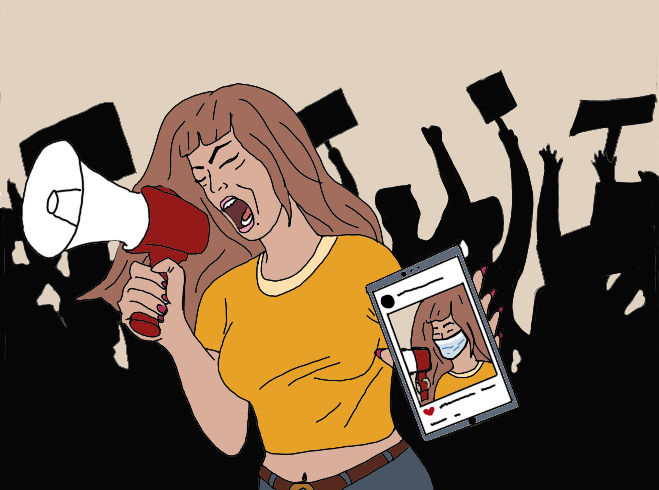
As the inequality of society is brought to light, many individuals want to take further action and help solve the problems. Making change is not simple, and requires deep thinking, time and effort. Along with genuinely making a change in society, the social aspect in regards to reputation is attracting so many people to push forth a difference in communities for the wrong reasons. This is often associated with the term Performative Activism, also known as Slacktivism when individuals only care about important matters concerning their social standing and how they appear to those around them.
Where did it all become noticeable?
Amidst the rise of the Black Lives Matter movement in early May/June due to the racism rooted in police brutality, as well as the perceptible systemic racism which allowed for the unjustified death of George Floyd, Breonna Taylor, and other victims, many took to social media to express their distress over the situation, as well as provide donation links, petitions, and other educational resources to help the situation. For some, the prospect of appearing as a person who cares about the circumstances seemed to be more important than the cause itself. This motivated some people to portray a false narrative of themselves to meet a set standard.
More and more people began to put effort into the visual aspects of activism, such as using counter-productive methods to show their support which had a deep-rooted perception of hypocrisy. This included but wasn’t limited to: posting infographics about the severity of derogatory terms or slurs, then proceeding to use those in conversation, talking about certain racist behaviors, but not taking action to prevent said deportment and so many more examples that exploited the movement for one’s benefit. This act also created a false recognition of hope in which the targeted marginalized group believed they had support but faced a nasty truth whereupon their struggles were ultimately benefited by the privileged.

Performative activism in Blackout Tuesday
On June 2, 2020, many individuals on social media, primarily on Instagram, posted a picture of a black square to show solidarity to the black community. Although this was an easy way to show that one would care about the movement, it wasn’t enough; and was pernicious to the campaign. The large number of black squares; especially those using the black lives matter hashtag flooded out useful information to where others couldn’t access them, nor did the black squares contain educational resources, or petition/donation links. With the vast amount of people participating, it would have been an effective way to spread important information regarding the situation, but those who did nothing else other than partaking in posting the black square, whether it was post resources, or encourage others to get involved, had performative behaviorism entrenched in their actions, as well as treating the movement as a trend.
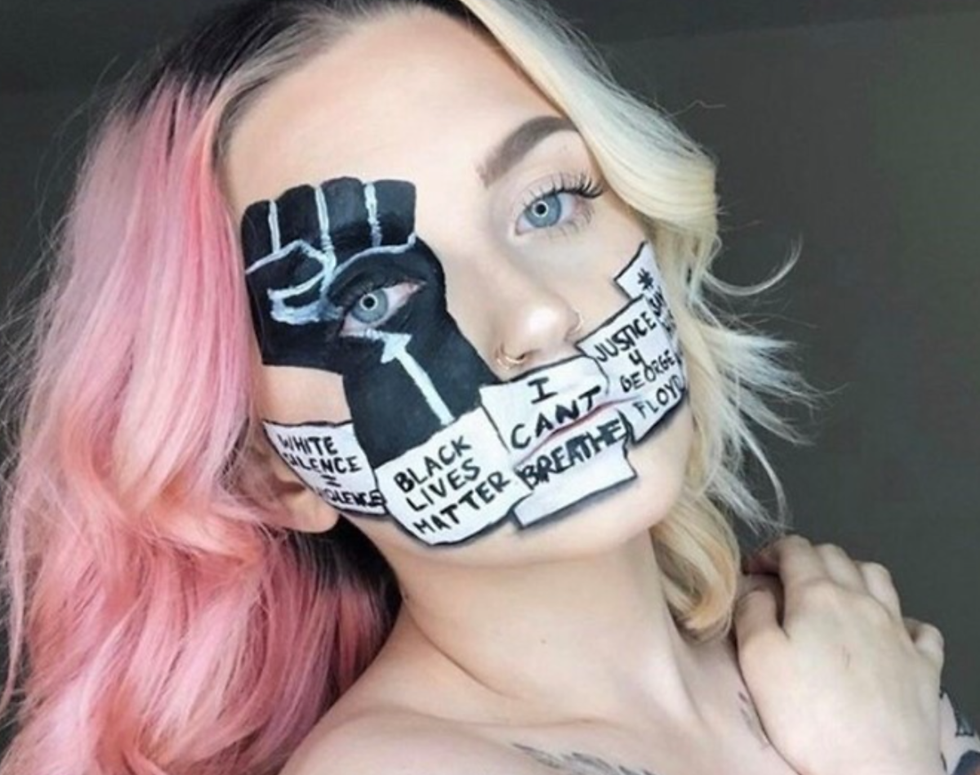
The use of Performative Activism in Influencers
Nowadays, those with large platforms can be very influential and encourage many people to do something, however, so many influential people have a sense of privilege, and often do not need to speak up on social matters, primarily because it does not affect their lives directly.
Nevertheless, a lot of them do care about their social image, as it is the source of their fame and possible income, and often use only the performative aspects of activism to benefit their reputational needs. Many of us understand their influential capabilities, as they have indirectly persuaded many of their followers to do certain things or agree with their thoughts many times in the past.
While it is not about influence but rather the question of their support and consideration for the marginalized group of people is genuine, as mentioned above, many powerful influencers profit off of their pain, whether it comes through as an increase in followers due to their words, or money because of a gain in interactions, it has to deal with a perception of exploitation during tough times and is extremely hurtful, especially to underprivileged groups of people.
An article written by Brittany Valentine, which talks about avoiding performative activism, states how Black Out Tuesday was “co-opted by just about every celebrity on Instagram, even those outside of the music industry, and soon enough everyone was in on the campaign.” Mentioning earlier how black-out Tuesday was mostly performative, the statement accurately reflects how easy it was for celebrities and influencers to treat the movement as a trend, only for a social benefit.
How can you help?
There are so many ways to avoid the performative in your activism. One method is by donating. Not everyone can donate, and it’s perfectly understandable, but if you have the money, donating to reliable fundraisers actively supporting a movement or a cause is a wonderful way to show support for what you are fighting for. Petitions are another way to show that you care. By showing officials that a large number of people want change, it is effective in demonstrating a need for social or economic progression.
Educate yourself and others. Especially if you are looking at the situation from an outsider's perspective, learning about what is going on from an affected member of the community gives you another perspective. This will enable you to work better within your activism and by making sure that what is done is helpful. By helping others understand what’s going on, you have a better understanding of the issue, and providing a community that equally wants to move forward.
Volunteer and Protest. Just like donations and fundraising, not everyone can go out and work on the front lines. However, going out and doing volunteer work for a cause will directly help what you are fighting for. Protesting and demanding justice shows communities that people are fighting for a change and that social progress is worth it, and brings a sense of urgency to officials and lawmakers to make the change.
Watch yourself and others, and make sure that you are taking accountability for your actions. Things like microaggressions, slurs, and other comments can unintentionally hurt someone. Ensure that you are watching what you are saying and not invalidating someone when they tell you that what you are saying is hurtful.
While keeping all of this in mind, it is crucial to listen to others, and self-check to make sure that your reasons for wanting social progression and the base of your activistic work are genuine.
Sources:
https://www.thefire.org/why-performative-activism-is-the-downfall-of-sustained-change/
https://marquettewire.org/4041392/opinion/koch-performative-activism-symptom-of-social-media/
https://www.latrobe.edu.au/mylatrobe/the-growing-trend-of-performative-activism/
https://aldianews.com/articles/culture/social/how-avoid-performative-activism/58864


Comments