


The Fukushima Daiichi Nuclear Disaster
Occurring nearly five years ago, on March 11th, 2011, a large portion of Japan was abruptly shaken for approximately 3 minutes straight. It was the Fukushima Daiichi Nuclear Disaster. A disaster, many people recall as the nuclear meltdown at the Fukushima Daiichi power plant, which released a plume of radiation into the surrounding area and ocean. The disaster took place just as some nations were considering the idea of a “nuclear renaissance”. It was a dynamic event that changed thousands of lives within Japan with a snap of finger.
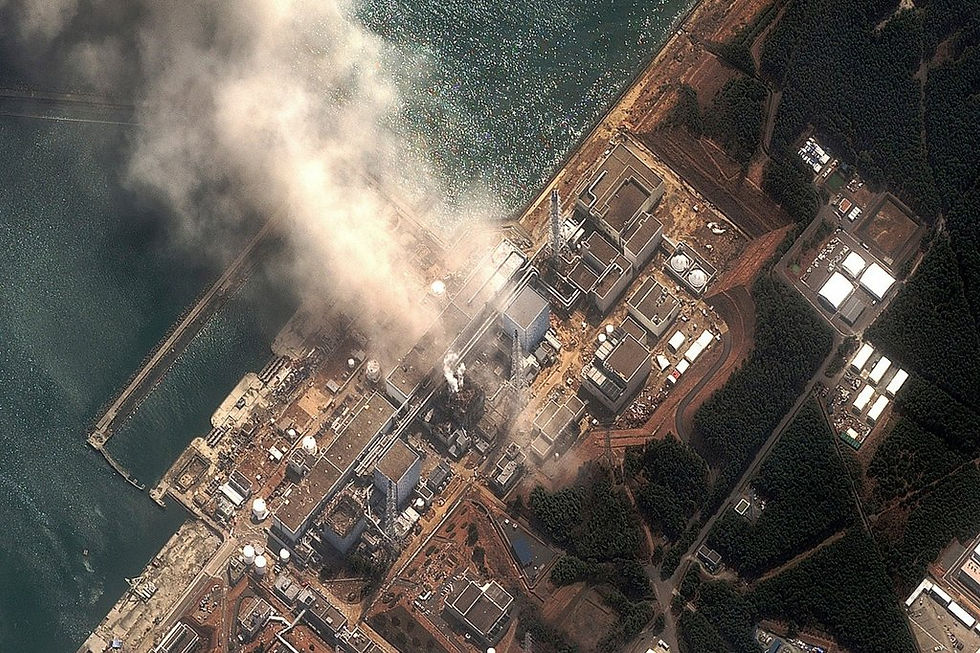
Overhead image of the Fukushima Daiichi Nuclear Disaster
Digital Globe, via Reuters
What?
The Fukushima Daiichi Nuclear Disaster, also frequently referred to as the “Fukushima accident”, took place at the Fukushima Daiichi plant field located in northern Japan. This disaster is nationally classified as the second-worst nuclear accident in the history of nuclear power generation. A major earthquake took place on March 11th, 2011, which then was followed by a 15-meter tsunami, ultimately causing the nuclear accident.
Heat
When the earthquake primarily hit, there were initially 11 reactors operating at the four nuclear power plants in the affected Miyagi region. There were four reactors at Fukushima Daini, three reactors at Onagawa, one reactor at Tokai, and three reactors at Fukushima Daiichi. All the reactor units automatically shut off right as the earthquake had hit the core of Japan, but it was not enough to stop a plant from generating the required heat. Even after a plant reactor had fully shut down, the plant still continues to produce a heat known as “decay heat”.
Decay heat quickly demolished within a few minutes of being fully produced. In avoidance of a nuclear meltdown, it is a protocol to make sure the reactor is kept cool within the first day or so after the reaction has fully stopped taking place. The protocol was followed at all eight of the reactors located in Daini, Onagawa, and Tokai plants fields. Since the protocol took place at the correct timing, they were able to access the back-up power that was needed to run the cooling process smoothly.
The reactors located at the Fukushima Daiichi plant field, however, failed to proceed to this protocol in time. Due to the inability of this process of the reactor's cooling taking place at the correct timing, this initially was the starting cause of the large nuclear disaster, since the Chernobyl accident in 1986 in what is now Ukraine.

© 2016-2020 World Nuclear Association
The Impact
At the Fukushima Daiichi nuclear power plant fieldhouse, the initial earthquake damaged the primary source of power, the electric power supply lines and the tsunami caused major substantial destruction of the operational and safety infrastructure on the power plant site. This resulted in ruining the full cooling process of the reactors. All the operating reactor units at these plant fields were safely shut down but, despite the efforts the nuclear fuel melted and the three containment vessels were breached. Hydrogen was also released from the reactor pressure vessels, leading to explosions inside the reactor buildings in Units 1, 3 and 4 that damaged the internal structures and equipment.
Another impact left for this disaster included evacuation, sheltering, restrictions on the consumption of food and drinking water. Several media and news channels were used to keep the public informed and to respond to people’s concerns during the emergency, including television, radio, the Internet and telephone hotlines. Feedback from the public received via hotlines and counselling services identified the need for easily understandable information and supporting material.
The earthquake and the tsunami that followed caused a humanitarian disaster in Japan. More than 19,000 people were killed and 465,000 were evacuated. All the damage and loss had cost the national economy hundreds of billions of dollars. A UN report released in 2013 says that there were no radiation-related deaths among the workers and public in the surroundings following the disasters and there is not expected to be any increase in radiation-caused illnesses. A report by Greenpeace released this month, however, says that the impact of Fukushima will continue to impact nearby ecosystems for centuries.
How can you help
An important role that we all play when it comes to topics such as The Fukushima Daiichi Nuclear Disaster, is to stay educated and informed. Staying educated and informed helps us better understand circumstances taking place around the world every second of the day. Another role is to make sure others are well educated upon this topic and making sure they have the correct information regarding this certain topic.


Comments